
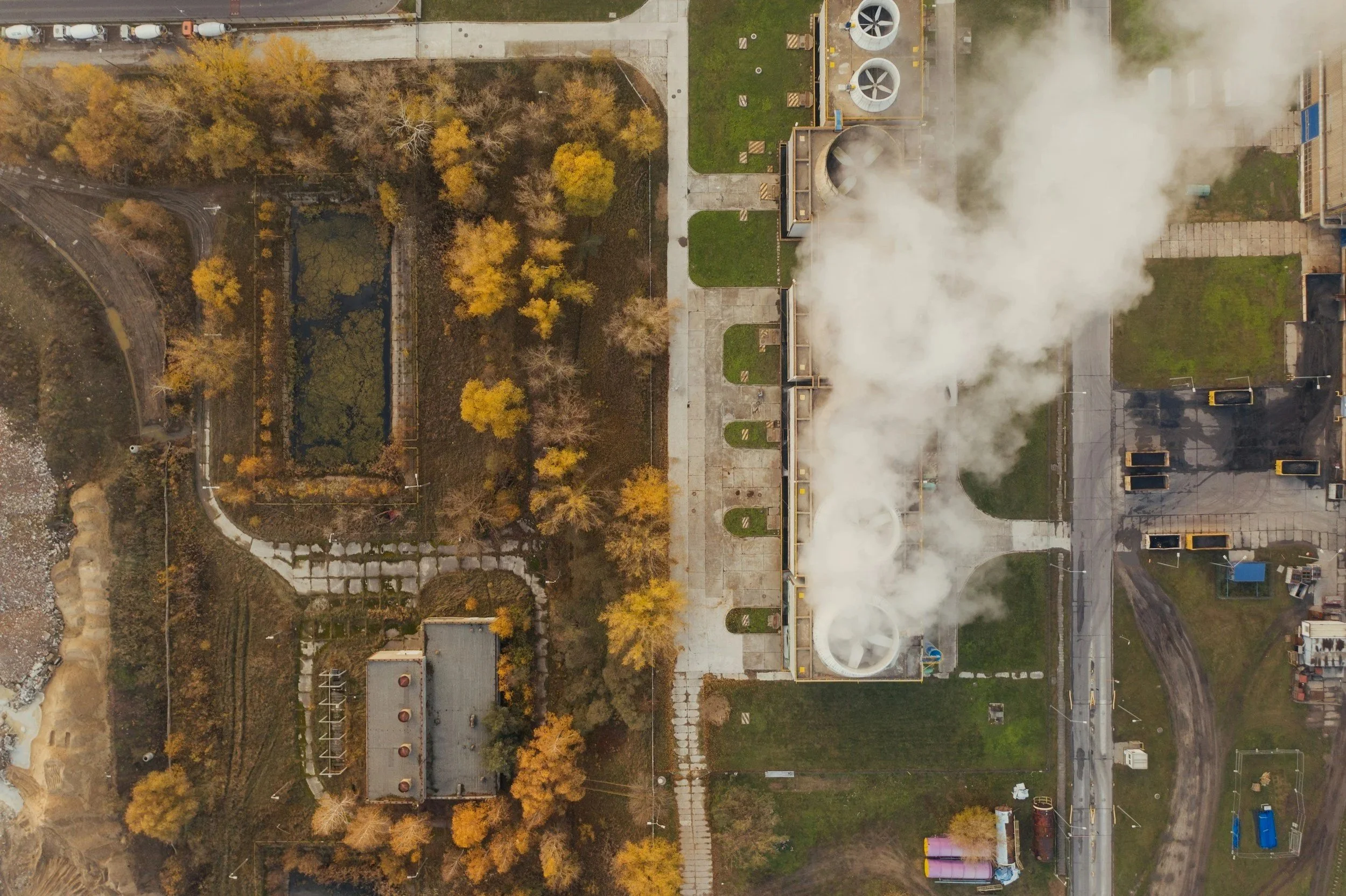
Turning CO2 and industrial waste into sustainable cement, at scale
What we do
At Kalz, we developed a breakthrough technology to remove CO2 from industrial emissions and permanently store it in concrete. Our process uses carbon mineralization to transform captured CO2 into valuable building materials, including SCMs (Supplementary Cementitious Materials). This not only reduces cement’s carbon footprint but also locks away CO2 permanently – creating a scalable, cost-effective, and decentralized solution to combat climate change.




Why we need this.
Every year, humanity emits over 38 billion tonnes of CO2 driving global warming and climate instability. To reach net zero by 2050, we don’t just need to cut emissions, we also need to remove and permanently store up to 9 billion tonnes of CO2 annually.
With our technology, concrete could become the world’s largest human-made carbon sink.
With around 32 billion tonnes of concrete produced annually, and global cement manufacturing being responsible for 8% of the world’s total CO2 emissions, it is not only the most widely used human-made material, but also a powerful potential carbon sink. By integrating our Kalz carbon-storing materials like SCMs (supplementary cementitious materials), aggregates, and fillers, concrete could safely and permanently store up to 2–3 billion tonnes of CO2 every year.
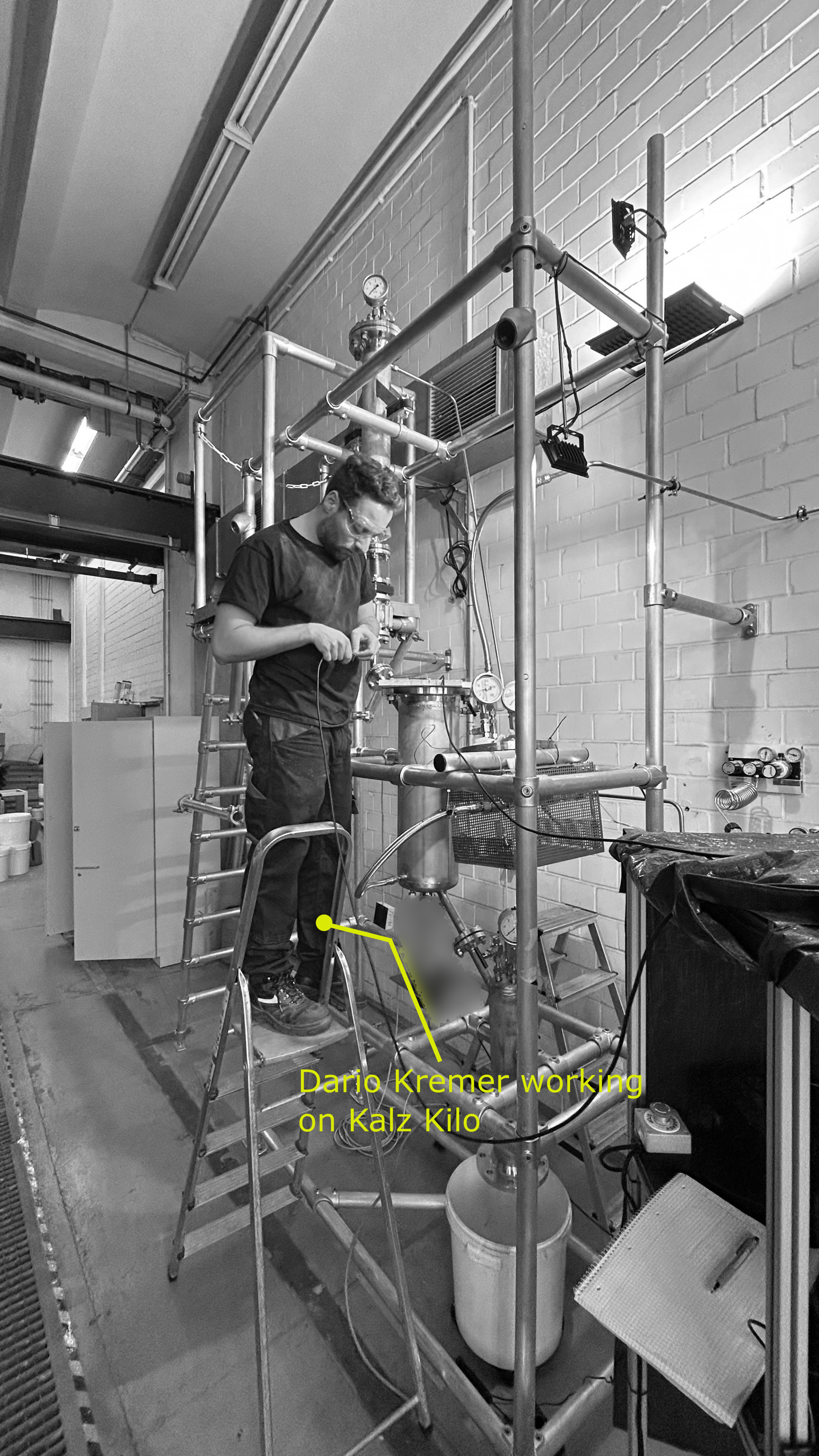
Our Technology
We develop a cost effective technology that produces SCMs and other components of concrete while permanently storing CO2 through carbon mineralization. In an accelerated process, industrial, CO2-rich exhaust gas reacts with mineral residues such as industrial slag or waste-incineration ash – materials that are usually landfilled or only reused in low-grade applications. In doing so, the CO2 is effectively “turned to stone”; more precisely, as powdery carbonate it is permanently bound and stored in chemical form. At the same time, the reaction upgrades the residue slag or ash used: from a waste product, a stable, carbonated material is created, offering a sustainable solution for concrete production and carbon sequestration.

Aggregates, fillers, and SCMs can all be used to store CO2, with SCMs being our primary focus. SCMs storing CO2 are the future of building materials. As traditional SCMs become scarce, the cement industry needs new solutions. Our carbonated SCMs not only replace clinker but also store CO2, turning emissions into valuable resources. This approach could store up to 600 million tonnes of CO2 annually, supporting net-zero goals and revolutionizing sustainable construction.